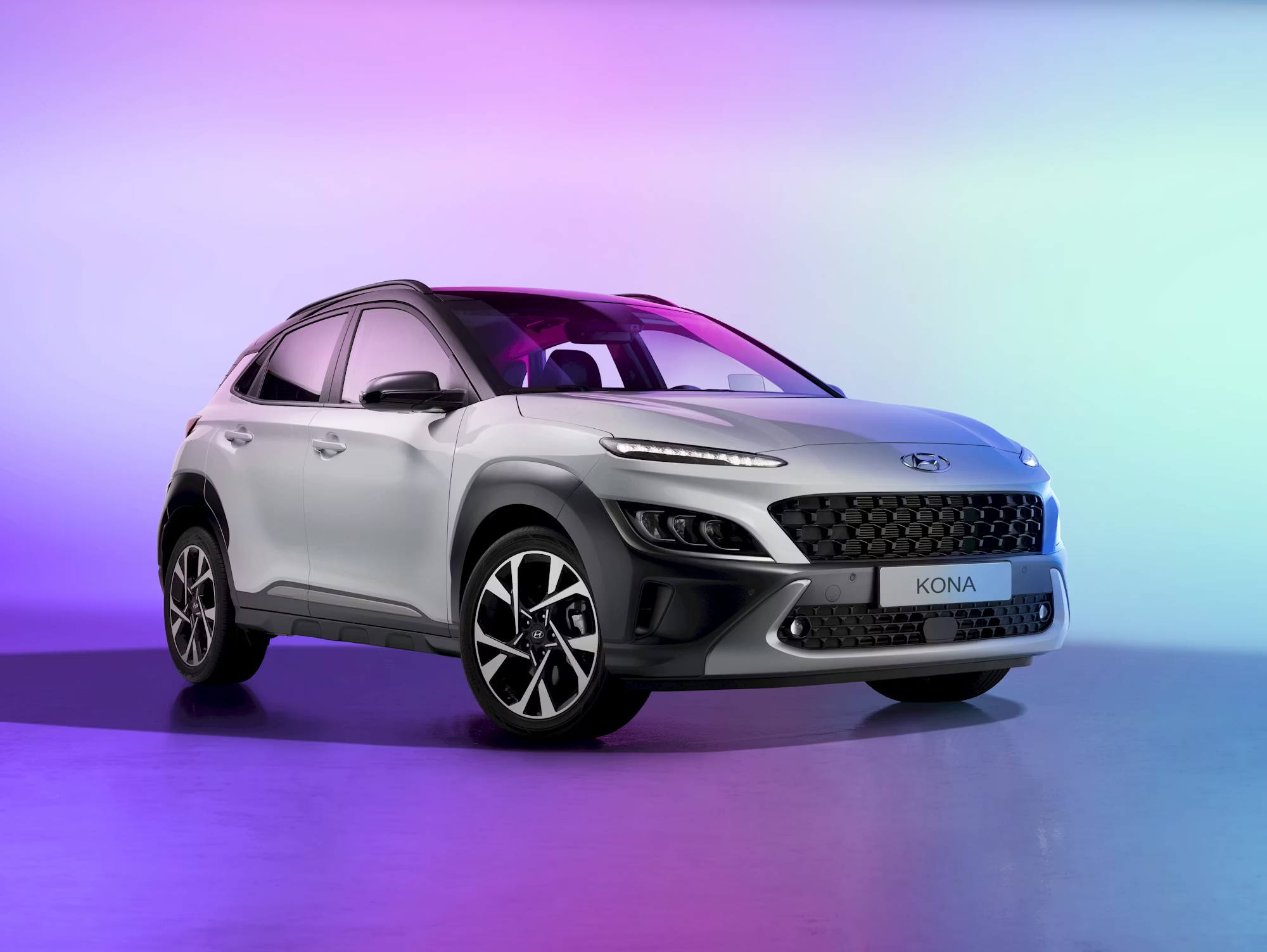
Electric vehicles (EVs) are no longer just a niche market or a futuristic concept—they are rapidly becoming a driving force in the automotive industry. With environmental concerns, rising fuel prices, and technological advancements pushing the industry forward, EVs represent a significant shift towards cleaner, more sustainable transportation. In this article, we will explore the current state of electric vehicles, the technology that powers them, their environmental benefits, and the challenges that must be addressed as the world transitions to electric mobility.
The Rise of Electric Vehicles
The history of electric vehicles dates back to the early 19th century, but it wasn’t until the 21st century that EVs began to gain significant traction in the automotive market. Early electric cars were limited by technological constraints, such as low battery capacity and high production costs. However, advancements in battery technology, particularly lithium-ion batteries, have made electric vehicles more practical and accessible to the average consumer.
One of the biggest catalysts for the rise of EVs has been the increasing awareness of environmental issues. Climate change, air pollution, and the depletion of fossil fuel reserves have prompted governments, automakers, and consumers to explore alternatives to traditional gasoline-powered vehicles. Electric cars offer a cleaner, more sustainable alternative, with zero tailpipe emissions and lower carbon footprints.
In recent years, the global demand for electric vehicles has surged, with countries like Norway, China, and the United States leading the way in adoption. Governments around the world have introduced incentives such as tax credits, rebates, and grants to encourage the purchase of EVs, while automakers have been ramping up production of electric models to meet this growing demand.
How Electric Vehicles Work
Electric vehicles rely on electric motors powered by batteries to propel the car. Unlike traditional internal combustion engine (ICE) vehicles, which use gasoline or diesel fuel to power a series of mechanical components, EVs convert electrical energy into motion with greater efficiency.
The heart of an EV is its battery pack, which stores electrical energy and powers the electric motor. Most modern electric vehicles use lithium-ion batteries due to their high energy density, relatively low weight, and long lifespan. These batteries can be recharged by plugging the vehicle into an electric outlet or a dedicated charging station.
The electric motor in an EV is much simpler than a traditional engine. It operates on the principles of electromagnetism, with rotating magnets creating torque to turn the wheels. Because electric motors have fewer moving parts and no need for oil changes, they require less maintenance compared to internal combustion engines, resulting in lower long-term costs for owners.
Another important feature of electric vehicles is their regenerative braking system, which recovers energy when the car slows down and converts it back into electricity. This process helps recharge the battery while also extending the driving range of the vehicle, especially during city driving where frequent braking is common.
Environmental Benefits of Electric Vehicles
One of the main reasons for the rapid adoption of electric vehicles is their positive impact on the environment. EVs produce no tailpipe emissions, making them a key part of efforts to reduce air pollution and combat climate change. By switching from gasoline-powered cars to electric vehicles, we can significantly lower the amount of harmful pollutants released into the atmosphere.
Reduced Greenhouse Gas Emissions
The transportation sector is one of the largest sources of greenhouse gas emissions worldwide, contributing to global warming and climate change. While electric vehicles do require electricity to operate, which may still come from fossil fuel-based power plants, EVs are still more energy-efficient and produce far fewer emissions compared to traditional cars. As the global energy grid continues to shift toward renewable energy sources like wind, solar, and hydropower, the carbon footprint of electric vehicles will continue to decrease.
For example, studies have shown that an electric vehicle powered by renewable energy can have a carbon footprint that is up to 70% lower than a conventional vehicle over its lifetime. As more countries invest in green energy infrastructure, the environmental benefits of EVs will only grow stronger.
Improved Air Quality
In addition to reducing greenhouse gas emissions, EVs help improve air quality, particularly in urban areas. Traditional gasoline and diesel engines emit a range of pollutants, including nitrogen oxides (NOx), particulate matter, and carbon monoxide, which contribute to smog and respiratory illnesses. EVs, on the other hand, produce zero tailpipe emissions, significantly reducing air pollution in cities and improving the health of residents.
For example, the adoption of electric buses and trucks in city fleets can have a major impact on reducing local air pollution, which is a growing concern in many parts of the world. As more electric vehicles are integrated into public transportation systems, the overall air quality in urban environments can improve dramatically.
Energy Efficiency
Electric vehicles are also much more energy-efficient than traditional vehicles. Internal combustion engines lose a significant amount of energy in the form of heat, while electric motors are able to convert a higher percentage of electrical energy into usable power. This means that electric vehicles can travel further on the same amount of energy, making them more efficient and cost-effective in the long run.
Challenges to the Widespread Adoption of Electric Vehicles
Despite the many benefits of electric vehicles, there are still several challenges that must be addressed in order for EVs to become a mainstream mode of transportation.
Battery Technology and Range Anxiety
One of the most significant barriers to widespread EV adoption is battery technology. While electric vehicle batteries have improved significantly in recent years, they are still relatively expensive to produce, and their range—though growing—is still limited compared to traditional vehicles. Many consumers still have concerns about the driving range of electric cars, especially in regions with less-developed charging infrastructure.
This issue, often referred to as range anxiety, occurs when drivers worry about running out of battery power before reaching their destination or a charging station. While many modern EVs offer ranges of over 200 miles on a single charge, longer trips still require careful planning to ensure access to charging stations along the way. The development of more efficient, higher-capacity batteries is essential to overcoming this obstacle and improving the convenience of EVs.
Charging Infrastructure
In addition to range anxiety, the availability of charging infrastructure is another key challenge. While charging stations are becoming more common in urban areas, they are still limited in many rural or less-developed regions. In order for electric vehicles to truly replace gasoline-powered cars, a widespread and accessible network of charging stations is essential.
Governments and private companies are investing heavily in the development of charging infrastructure, but there is still work to be done to ensure that charging stations are easily accessible and convenient for all EV owners. Faster-charging stations, which can charge a vehicle in under an hour, are also needed to make long-distance travel more practical.
Cost and Affordability
While the price of electric vehicles has decreased in recent years, EVs are still generally more expensive than their gasoline counterparts. The cost of the battery is a major factor contributing to the higher price of electric cars, although prices are expected to fall as battery technology improves and economies of scale are realized.
Governments are offering incentives, rebates, and tax credits to make EVs more affordable, but the initial purchase price can still be a barrier for many consumers. However, as electric vehicles become more mainstream and production volumes increase, prices are expected to continue to drop, making EVs more accessible to a broader range of buyers.
The Future of Electric Vehicles
Despite the challenges, the future of electric vehicles is incredibly promising. As technology advances, EVs will become more affordable, efficient, and convenient to own. Battery technology will continue to improve, offering longer ranges and shorter charging times, while the expansion of charging infrastructure will make it easier for drivers to charge their vehicles at home or on the go.
Governments and automakers around the world are committed to transitioning to electric mobility. Several countries, including Norway and the UK, have announced plans to ban the sale of new gasoline and diesel cars within the next few decades, with the aim of accelerating the adoption of electric vehicles. Major automakers, including General Motors, Volkswagen, and Toyota, have pledged to invest billions of dollars into EV development and production over the next few years.
The transition to electric mobility is not just about cleaner cars—it’s about creating a more sustainable future for transportation as a whole. By reducing our reliance on fossil fuels and moving towards cleaner, more efficient alternatives, electric vehicles represent a key piece of the puzzle in achieving a more sustainable and environmentally-friendly transportation system.
In the coming decades, electric vehicles will become an increasingly common sight on the roads, helping to reshape the automotive industry and our approach to transportation. As technology improves and infrastructure expands, EVs will continue to play a crucial role in driving the future of sustainable mobility.