Supercars have long captivated the hearts and minds of automotive enthusiasts around the globe. These high-performance machines are not just vehicles; they embody a unique blend of engineering excellence, aesthetic beauty, and cultural significance. From their inception to their evolution over the decades, supercars have transformed the automotive landscape, showcasing the ultimate capabilities of design and technology. This article explores the allure of supercars, focusing on their performance, innovative designs, and the impact they have had on popular culture.
The concept of the supercar emerged in the mid-20th century, as automotive manufacturers began to push the boundaries of speed and power. The late 1950s introduced iconic models like the Ferrari 250 GTO, which quickly became synonymous with automotive excellence. This car was not only engineered for racing but also crafted with an attention to detail that made it a work of art. Its lightweight construction and powerful V12 engine allowed it to dominate the racetrack, securing its place in automotive history and making it a highly sought-after collector’s item today.
Another milestone came with the Lamborghini Miura, introduced in 1966. Often hailed as the first true supercar, the Miura featured a revolutionary mid-engine layout that provided unmatched handling and balance. Its striking design, characterized by sharp lines and a low profile, turned heads and redefined expectations for sports cars. The Miura’s powerful V12 engine enabled thrilling performance, and its legacy continues to inspire modern supercars.
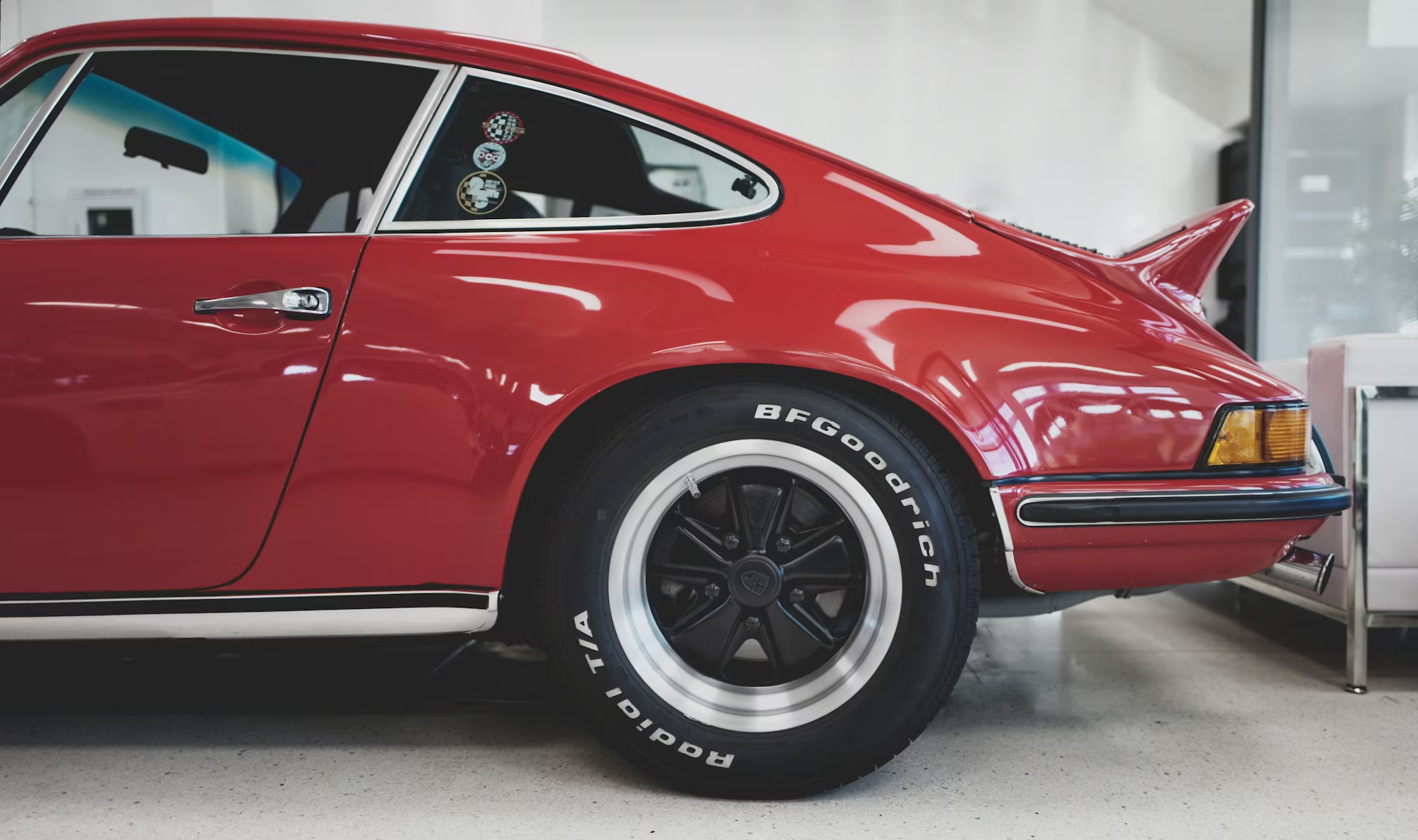
As the 1970s progressed, supercar performance began to evolve with advancements in technology. The introduction of turbocharging, particularly by manufacturers like Porsche, enhanced engine performance without significantly increasing size or weight. The Porsche 911 Turbo, launched in 1975, exemplified this innovation, combining a turbocharged engine with the brand’s iconic design. This model not only achieved remarkable speeds but also introduced a new level of sophistication to the supercar segment, showcasing the potential of forced induction.
The 1980s and 90s saw the emergence of more advanced engineering concepts. The McLaren F1, released in 1992, revolutionized the supercar market with its emphasis on lightweight construction and aerodynamics. Its carbon fiber chassis was a groundbreaking development, allowing for exceptional performance while maintaining safety standards. With a top speed of 240 mph, the F1 held the title of the fastest production car for over a decade, showcasing the remarkable achievements of its designers and engineers.
As we transitioned into the 2000s, the supercar industry witnessed a surge in technological advancements, particularly with the introduction of hybrid and electric vehicles. The Ferrari LaFerrari, unveiled in 2013, exemplified this shift. This plug-in hybrid supercar combined a naturally aspirated V12 engine with an electric motor, producing an astounding total of 950 horsepower. The LaFerrari’s design was not only about performance; it was also about efficiency, demonstrating that the future of supercars could embrace environmentally friendly technology without sacrificing the thrill of driving.
Similarly, the Porsche 918 Spyder pushed the envelope further by integrating hybrid technology into its engineering. With a 0 to 60 mph time of just 2.5 seconds and a combined output of 887 horsepower, the 918 Spyder redefined what was possible in a supercar. Its sophisticated powertrain and aerodynamics highlighted the growing trend of manufacturers seeking to balance performance with sustainability, a theme that is becoming increasingly important in today’s automotive landscape.
The introduction of fully electric supercars marked a new era in automotive performance. The Rimac C_Two, with its staggering 1,914 horsepower and advanced all-wheel-drive system, represents the pinnacle of electric vehicle technology. This car challenges the conventional definitions of speed and power, proving that electric supercars can rival traditional combustion engines. The C_Two’s instant torque and performance capabilities are a testament to the innovation and engineering prowess of its creators, reshaping the future of the supercar market.
Looking ahead, the future of supercars promises to be equally exciting, with ongoing advancements in battery technology and artificial intelligence. As electric vehicles become more mainstream, manufacturers are investing in research and development to improve battery life, charging times, and overall performance. Innovations in solid-state batteries and energy recovery systems may lead to electric supercars that not only outperform their gas-powered counterparts but also offer greater practicality for everyday use.
Moreover, the integration of artificial intelligence into supercar design and performance is set to enhance the driving experience. Future models may feature smart systems capable of analyzing driving patterns, optimizing performance based on real-time data, and providing a more immersive experience. This level of customization could transform how drivers interact with their vehicles, making the experience more engaging and dynamic.
In addition to technological advancements, the cultural impact of supercars cannot be overlooked. These vehicles have become symbols of status, luxury, and innovation, often featured in films, music, and media. From the iconic chase scenes in films like The Italian Job and Fast and Furious to their appearances in music videos and advertising campaigns, supercars represent the epitome of speed and style. They inspire a sense of aspiration, captivating audiences and motivating the next generation of automotive enthusiasts.
Supercars also play a significant role in motorsport, where the competitive spirit drives innovation and development. Races like the 24 Hours of Le Mans and Formula 1 have been platforms for manufacturers to showcase their engineering capabilities. The advancements made in these high-pressure environments often translate to consumer vehicles, enhancing performance and safety features across the board.
In conclusion, the allure of supercars lies in their ability to captivate and inspire. Through a rich history of innovation, performance, and cultural significance, these extraordinary vehicles continue to push the boundaries of what is possible in the automotive world. As we embrace the future, the supercar segment is poised to evolve further, driven by technological advancements and a commitment to sustainability. With every new model, the legacy of supercars grows, promising excitement and excellence for generations to come.