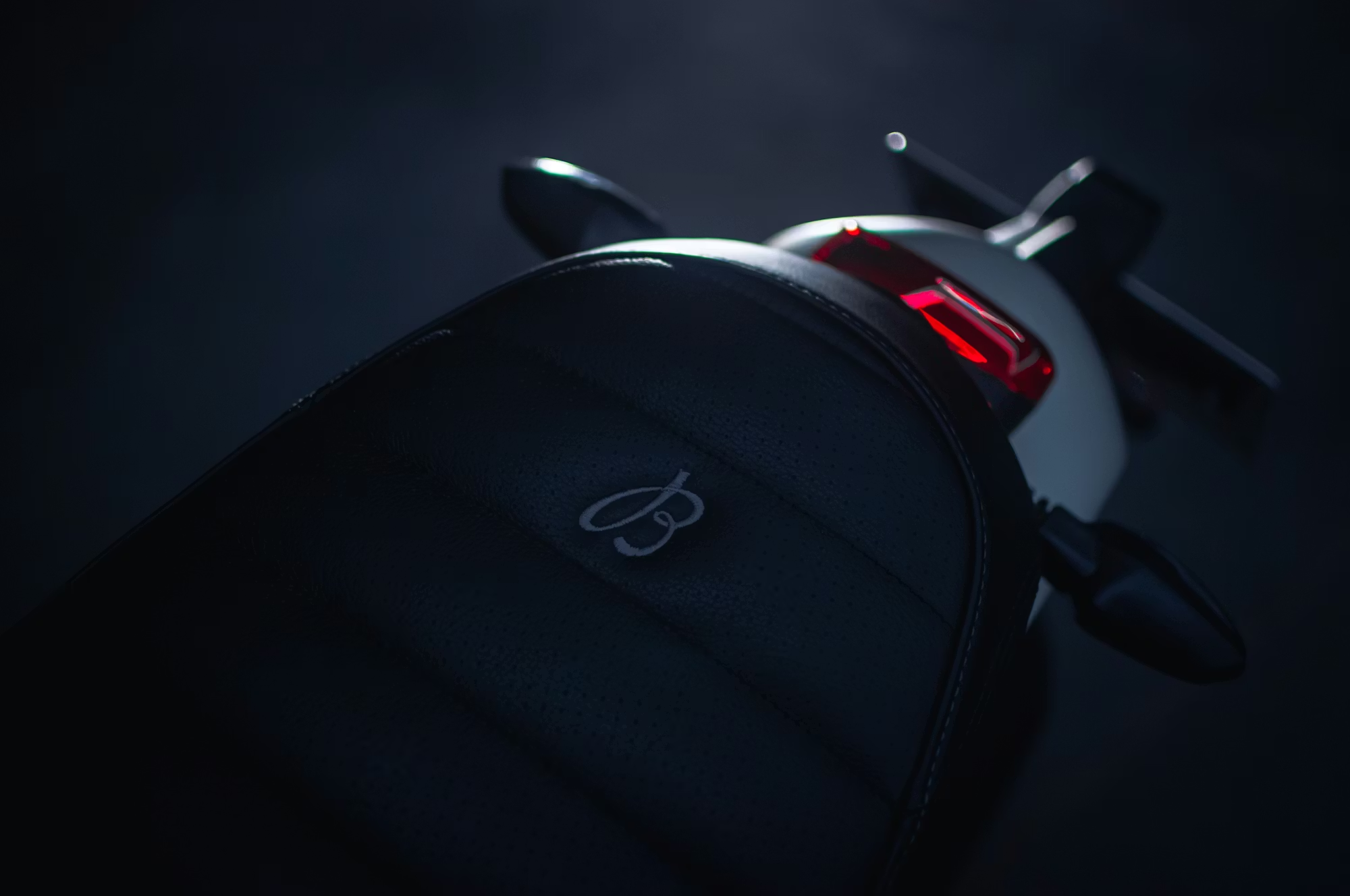
When it comes to motorcycles, the variety of styles available can be overwhelming. Two of the most iconic and widely recognized categories are cruisers and sport bikes. These bikes represent two ends of the motorcycle spectrum—cruisers focusing on comfort and leisurely riding, while sport bikes emphasize high performance and agility. Both have their own unique appeal, and understanding the key differences between them can help riders choose the motorcycle that best suits their personal style and needs.
The Cruiser: Classic Comfort and Timeless Style
Cruisers are often associated with the open road, freedom, and the iconic American motorcycle culture. These bikes are known for their relaxed, laid-back riding position, which is designed for comfort and long-distance cruising. With low seat heights, wide handlebars, and large engines, cruisers are built for riders who want to enjoy the journey rather than rush to their destination.
Cruiser motorcycles typically feature a minimalist design with classic styling, often including chrome accents, large tires, and iconic features such as spoked wheels. The relaxed riding position places the rider in an upright stance, making these bikes easier to control at low speeds and more comfortable during long rides. Some of the most well-known cruiser models include the Harley-Davidson Softail, the Indian Scout, and the Yamaha Bolt. These bikes are designed to provide a smooth, stable ride that allows riders to enjoy the scenery without worrying about the stresses of aggressive riding.
Cruisers are ideal for long-distance touring and highway cruising. They are often equipped with larger fuel tanks, comfortable seats, and accessories like saddlebags for carrying gear. The combination of comfort, style, and long-range capability makes cruisers particularly popular among riders who enjoy leisurely weekend rides or extended road trips.
One of the defining characteristics of cruisers is their engine size. These bikes are typically powered by large V-twin engines, which provide plenty of torque and smooth power delivery. While cruisers may not have the top-end speed or cornering agility of sport bikes, they excel in low-end power, making them ideal for relaxed cruising at highway speeds. Riders can expect a more predictable, stable experience, with less emphasis on performance and more on comfort and aesthetics.
The Sport Bike: Performance, Speed, and Agility
In stark contrast to cruisers, sport bikes are designed for high performance and agility. These motorcycles are built for riders who crave speed, precision, and the ability to handle tight corners and fast straights. Sport bikes are characterized by their aggressive riding position, lightweight frames, and powerful engines. With sleek, aerodynamic bodywork and advanced suspension systems, sport bikes are made to perform on both the track and the street.
Sport bikes have a forward-leaning riding posture, which places the rider in a more aggressive stance. This position allows for better aerodynamics at high speeds and offers improved control when cornering. The frame of a sport bike is designed to be lightweight, making it easier to handle during quick maneuvers. The high-revving engines, typically inline-four or V-twin designs, provide fast acceleration and high top speeds. Models like the Yamaha YZF-R1, Suzuki GSX-R series, and Honda CBR are famous for their exceptional performance and handling capabilities.
One of the key advantages of sport bikes is their ability to handle corners with ease. Thanks to their lightweight design and precision suspension, sport bikes can lean deeply into corners and maintain stability at high speeds. This makes them ideal for riders who enjoy twisting mountain roads or taking their bike to the track for some performance-oriented fun.
While sport bikes excel in performance, they are not necessarily built for comfort. The riding position on a sport bike can be harsh for long-distance rides, as the forward lean places significant weight on the rider’s wrists, arms, and back. Sport bikes also have smaller fuel tanks than cruisers, which means more frequent stops for refueling on longer trips. Despite these drawbacks, sport bikes remain popular among riders who value speed, agility, and the thrill of pushing the limits.
Comparing Cruisers and Sport Bikes: Comfort vs. Performance
When choosing between a cruiser and a sport bike, riders must consider what they value most in a motorcycle. The two styles offer distinctly different riding experiences, and understanding these differences is crucial for selecting the right bike.
Comfort and Riding Position
One of the most notable differences between cruisers and sport bikes is the riding position. Cruisers are known for their relaxed, upright riding posture, which makes them ideal for long rides and highway cruising. The low seat height and wide handlebars create a comfortable, stable stance that is easy on the back and arms. This is especially beneficial for riders who plan to spend hours on the road, whether for commuting or weekend adventures.
Sport bikes, on the other hand, feature a more aggressive riding position, with the rider leaning forward over the handlebars. This posture is optimized for performance and control, but it can be uncomfortable on long rides. Riders who choose sport bikes are often willing to sacrifice comfort for the sake of speed and agility. The forward-leaning position provides better aerodynamics and allows for greater control during high-speed maneuvers, but it can put a strain on the rider’s wrists, arms, and back during extended rides.
Engine and Power Delivery
Cruisers typically feature larger engines, such as V-twins, which produce plenty of low-end torque. This results in smooth, predictable power delivery that is well-suited for relaxed cruising and long-distance travel. While the top speed of a cruiser may not rival that of a sport bike, the engine’s power is more than enough for highway cruising and leisurely riding.
Sport bikes, in contrast, are equipped with high-revving engines that deliver more horsepower and faster acceleration. The power delivery is more immediate and aggressive, with a focus on high-end performance. Riders who choose sport bikes often seek the thrill of rapid acceleration and high speeds, making these bikes perfect for spirited rides on twisty roads or the racetrack. However, this performance comes at the expense of the smooth, easy-going power delivery of cruisers.
Handling and Maneuverability
Sport bikes excel in handling, thanks to their lightweight frames and precision suspension systems. These bikes are designed to be nimble and responsive, allowing riders to easily navigate tight corners and maintain stability at high speeds. Whether you’re carving through mountain roads or taking on a track day, sport bikes offer exceptional agility and performance.
Cruisers, on the other hand, are built for stability rather than agility. The heavier frame and lower ground clearance make cruisers less suited for aggressive cornering or tight maneuvers. However, their stability and predictability on the highway make them excellent for long-distance cruising, where agility is less of a concern.
Fuel Efficiency and Range
Cruisers generally have larger fuel tanks than sport bikes, allowing them to travel longer distances between refueling stops. This makes them ideal for long road trips and touring. Additionally, cruisers are generally more fuel-efficient than sport bikes, due to their larger engines running at lower RPMs and being optimized for steady cruising speeds.
Sport bikes, with their smaller fuel tanks and higher-performance engines, tend to have lower fuel efficiency. This means that riders of sport bikes will need to stop more frequently to refuel, particularly on longer trips. However, for riders who prioritize performance over practicality, the shorter range may not be a significant concern.
Conclusion: Which Motorcycle is Right for You?
Choosing between a cruiser and a sport bike ultimately depends on what type of riding experience you’re looking for. If you prefer comfort, stability, and long-distance cruising, a cruiser is the better option. With their relaxed riding position and large engines, cruisers offer a smooth, enjoyable ride that is perfect for weekend getaways and cross-country road trips.
On the other hand, if you’re seeking high performance, agility, and the thrill of fast speeds and tight corners, a sport bike is the way to go. With their lightweight design, aggressive riding position, and powerful engines, sport bikes are built for riders who love pushing the limits of speed and control.
Ultimately, both types of motorcycles offer unique benefits and experiences, so the right choice depends on your personal preferences and riding style. Whether you’re a long-distance cruiser or a track-ready racer, there’s a bike out there that perfectly suits your needs.
By understanding the differences between cruisers and sport bikes, riders can make an informed decision and select the motorcycle that best matches their desires for comfort, performance, and adventure.